“Modelling ARSACS in human in iPSC-derived cerebellar organoids ” – Dr. Esther Becker
This project aims to create three-dimensional disease models called ‘organoids’ using induced pluripotent stem cells (iPSCs) from ARSACS patients.
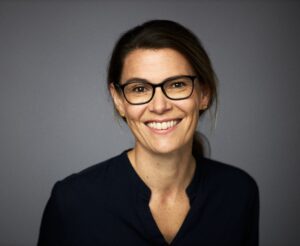
This project aims to create three-dimensional disease models called ‘organoids’ using induced pluripotent stem cells (iPSCs) from ARSACS patients. Human iPSCs are obtained from individuals’ skin cells by a process known as reprogramming and resemble stem cells present in the developing human embryo that are capable of turning into any cell type in the body. Coaxing these iPSCs into brain cells allows us to study living human nerve cells from affected patients in the laboratory and to recapitulate early events that lead to disease. This innovative method will allow us to better understand why it is the Purkinje cells in the cerebellum that are particularly affected in ARSACS. We propose to produce cerebellar organoids from ARSACS iPSCs and compare these to organoids generated from healthy controls. This will shed light on the molecular and cellular processes that go awry in the ARSACS cerebellum and that might be amenable to therapeutic correction. In the long term, we hope that cerebellar organoid models for ARSACS will help to develop better treatments for this disease.
Quick Reads
Nulla sed nibh eleifend orci finibus tempus. Mauris sit amet arcu placerat, molestie odio a, auctor nisi.
New Funding
“Dimethyl Fumarate Tested on the ARSACS Mouse Model” – Drs. Wolter & Wang
This project, led by Drs. Justin Wolter and Huaxia Wang, aims to test the therapeutic potential of dimethyl fumarate (DMF) in the ARSACS mouse model.
New Funding
“Structural Determination of Sacsin” – Dr. Walid Houry
We have carried out early in vitro characterizations of Sacsin, and we are working to obtain its three-dimensional (3D) structure using cryogenic electron microscopy.