Our Team
The AFA Board of Directors brings together a committed group of ARSACS advocates.
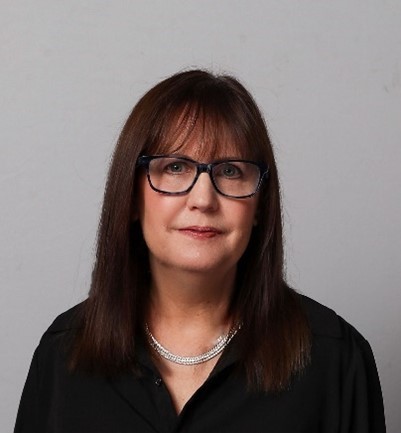
Betsy Trainor
President
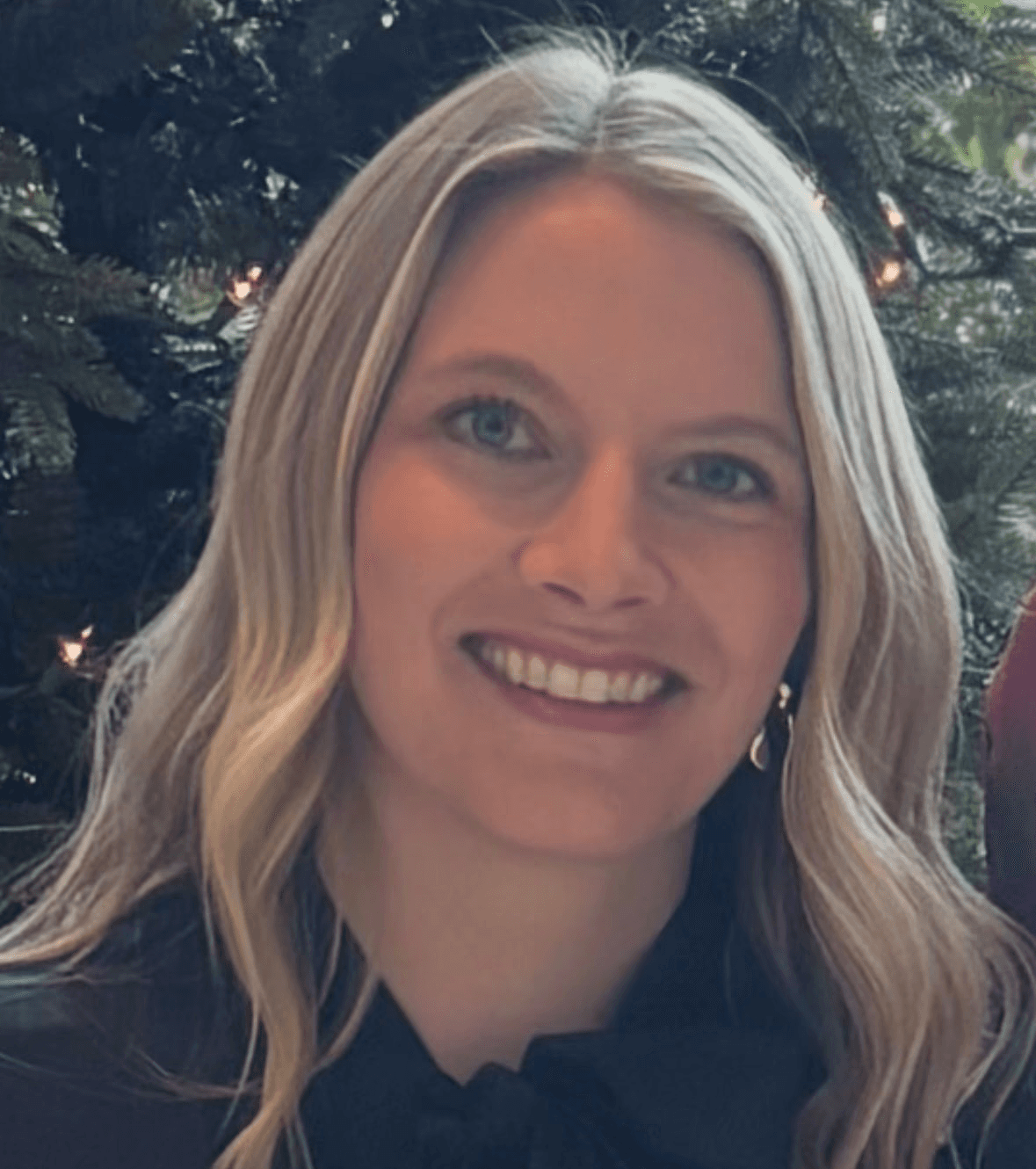
Kaitlin Anderson
Vice President
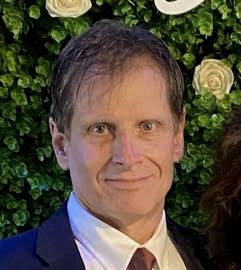
Noel Love
Treasurer
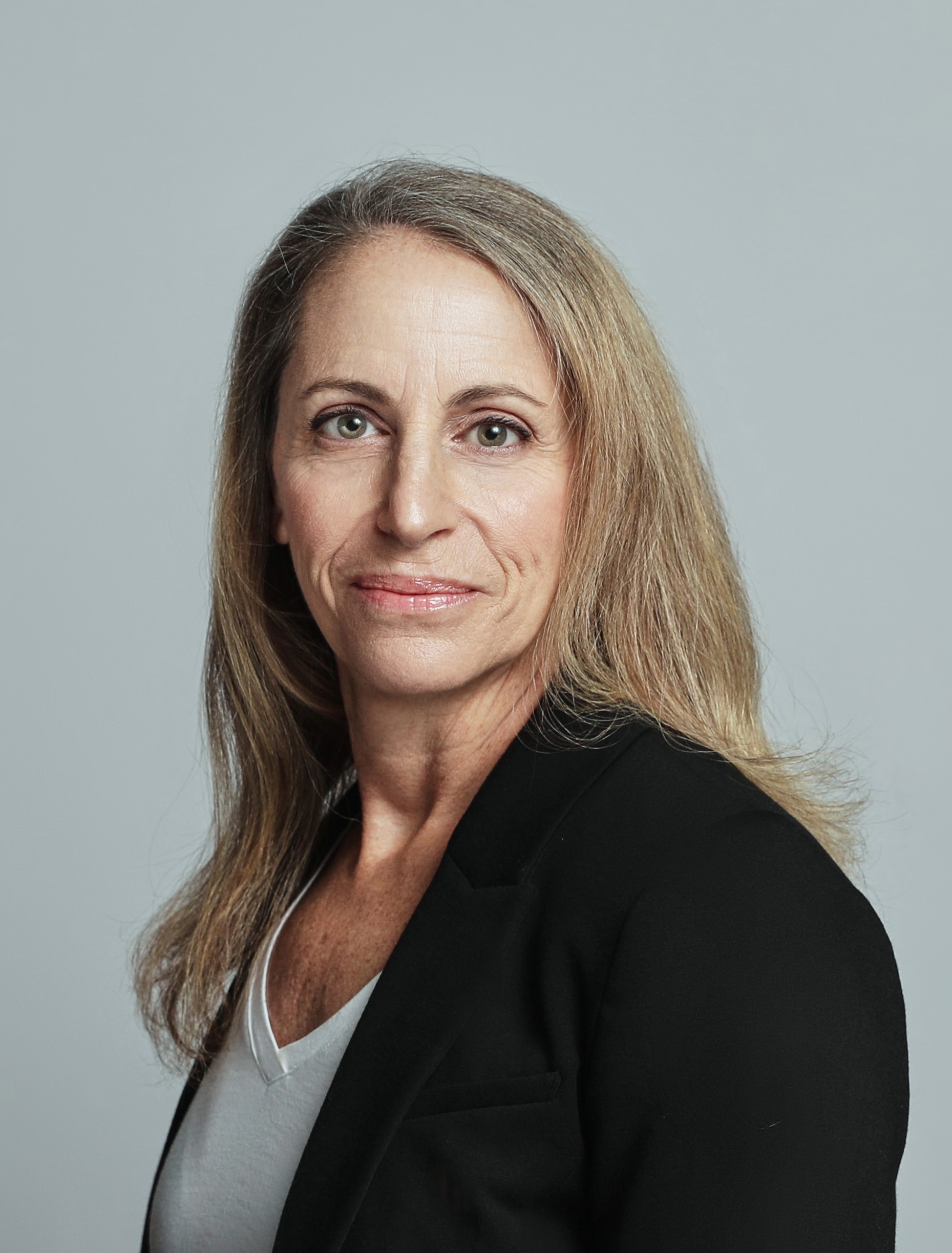
Mindy Fakhoury
Secretary
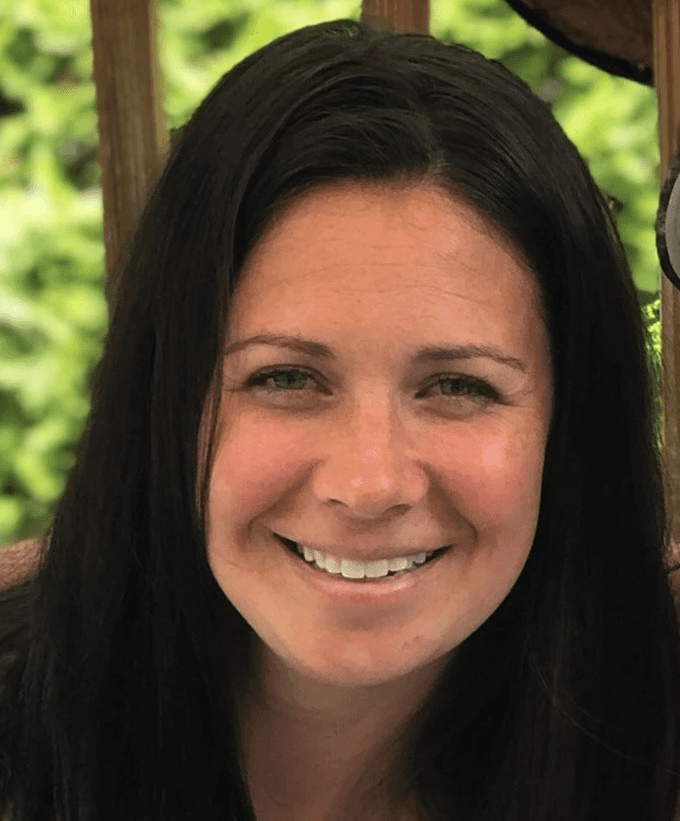
Nicole Masse
Member
Research Partners
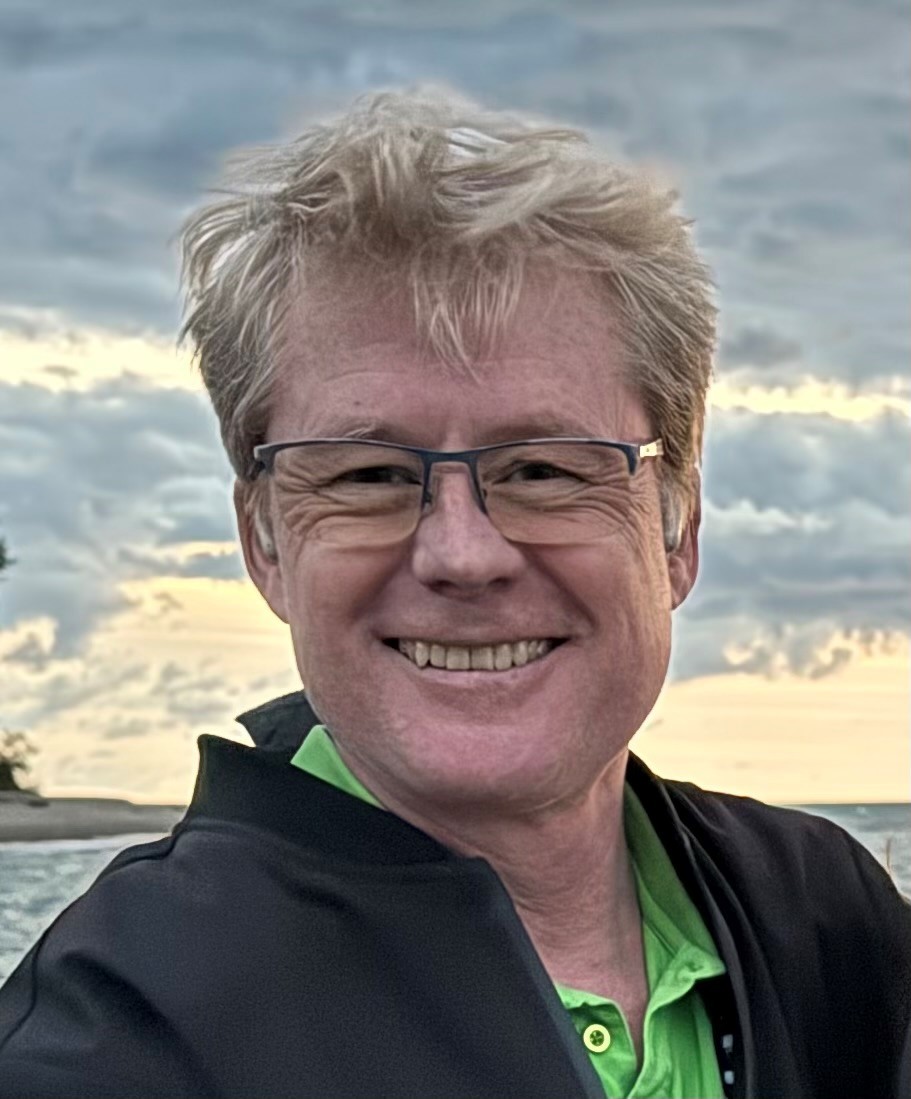
Stefan Strack
Born and raised in Germany, Stefan Strack is Professor and Vice Chair of the Department of Neuroscience and Pharmacology at the University of Iowa. His team develops new mouse models and leverages existing ones to find treatments for neurological disorders. His recent preclinical work on a rare neurodevelopmental disorder sparked an ongoing phase 2 clinical trial that is co-sponsored by a non-profit foundation and the drug manufacturer. His team also pursues autosomal-dominant (SCA12) and -recessive ataxias (ARSACS). The latter work has been funded by the Canadian ARSACS foundation since 2015. Currently, his team is 1) creating new ARSACS mouse models, 2) repurposing drugs that are nearing FDA approval for other disorders and 3) delivering full-length Sacsin into the brain for gene therapy.
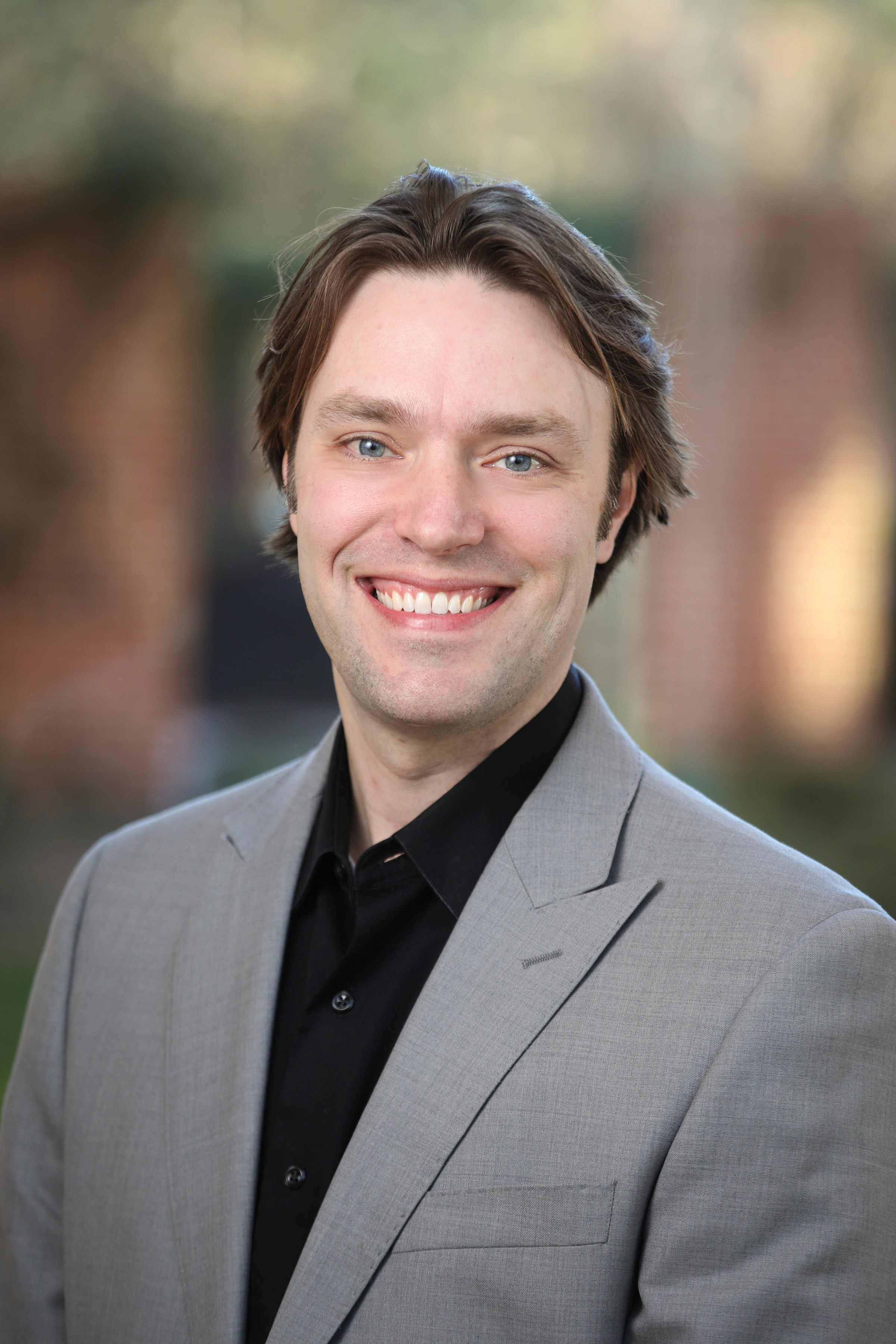
Justin Wolter
Dr. Justin Wolter is an Assistant Professor in the Genetics Department at the University of Wisconsin-Madison. Dr. Wolter's expertise includes identifying molecular mechanisms contributing to risk and resilience in neurodevelopmental and neurodegenerative diseases, such as ARSACS. His lab uses a variety of approaches, including induced pluripotent stem cells, mouse models, and gene therapies, with the ultimate goal of designing novel therapeutic strategies.
Massachusetts General Hospital, Boston
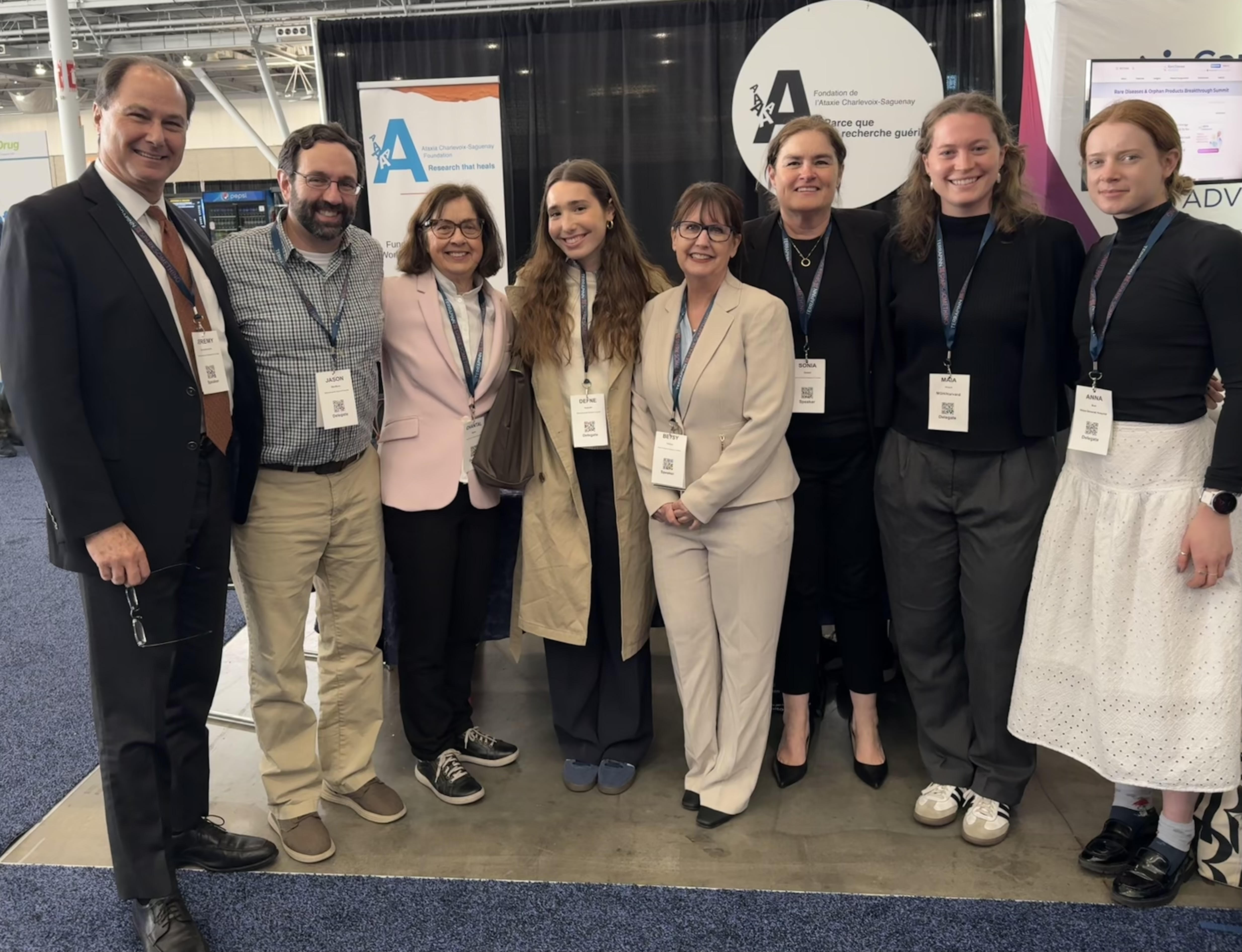
In early 2023, the FDA approved the first treatment medication to slow progression of Friedreich’s Ataxia using a drug called Skyclarys. Friedreich’s falls within the same family of progressive neurodegenerative diseases as ARSACS. Dr. Jeremy Schmahmann and a team of his colleagues at Massachusetts General are conducting tests on ARSACS mice with Skyclarys to determine if the drug could similarly stem disease progression in ARSACS patients. The research is well underway, and we are hoping for some preliminary results in the Spring of 2026.
The Krogan Lab, UCSF, San Francisco
The Krogan Lab studies the fundamental biology of cells in healthy states and disease states. It then applies a wide range of technologies, from proteomics and genetics to targeted mechanistic and structural studies, to gain a better understanding of the biology of disorders, which is urgently needed to develop novel treatments. Together with its many collaborators and partners across the world, the Krogan Lab is creating so-called ‘Cell Maps’ that uncover the protein complexes and networks that work together to ensure healthy cell physiology that are altered by disease mutations or infections. Ultimately, this allows the Lab to study how drugs or other treatments can overcome these changes caused by disease and restore a healthy state or alter disease progression. The Lab then applies this approach to many biological or biomedical problems, including infectious diseases such as HIV and COVID-19, Breast and Head and Neck cancers, as well as psychiatric and neurological disorders such as Autism and Alzheimer’s disease. The goal is to apply this disease-agnostic platform to ARSACS to identify the protein complexes perturbed by the disease and identify targets for therapeutic interventions. Please watch the video below to learn about supporting efforts at UCSF.