Jeslyn
About Me
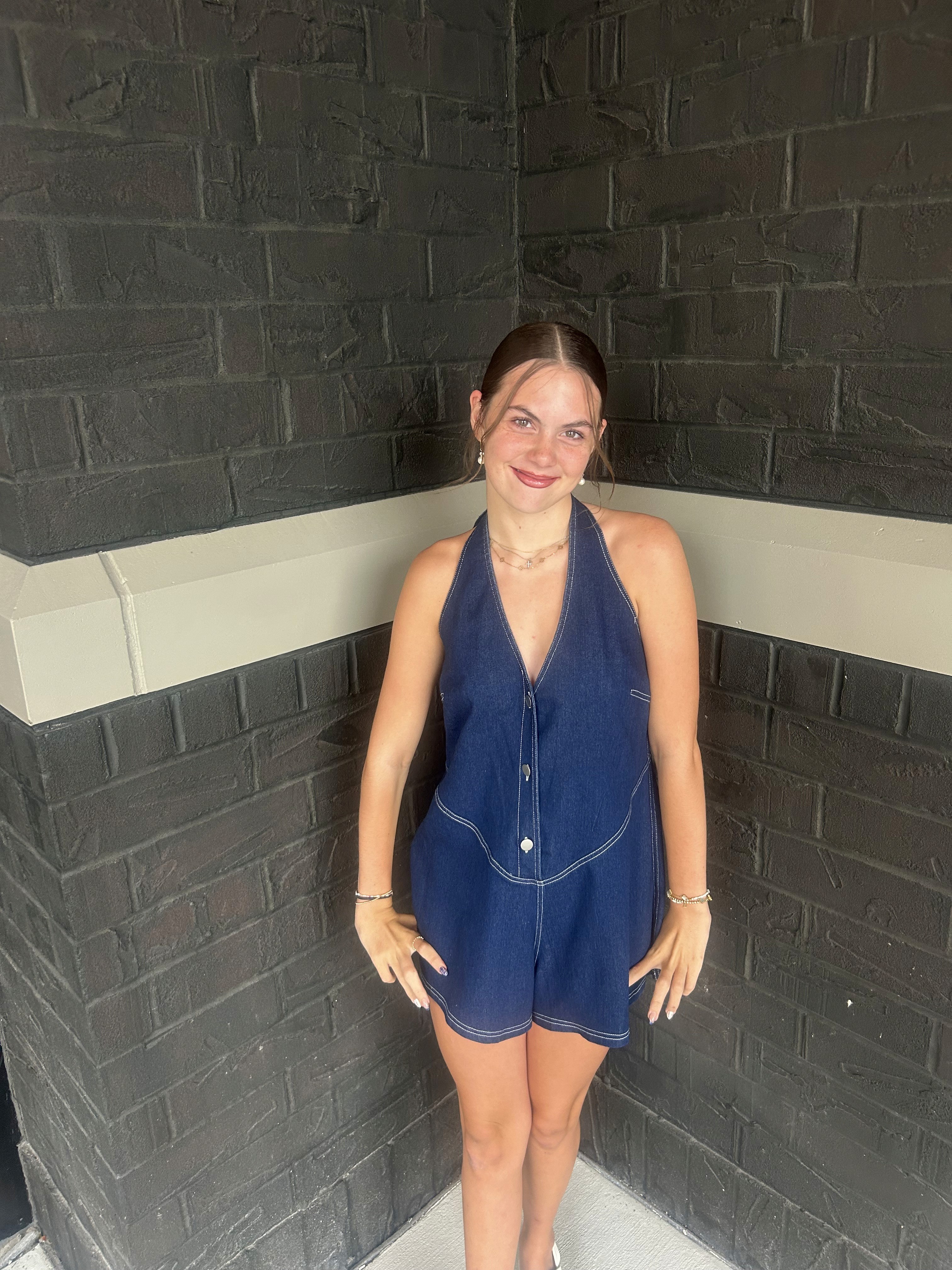
Jeslyn is 15 years old, and she enjoys show choir, singing, dancing, and theatre. She also enjoys building Legos, watching sports, going to the lake, shopping, and watching scary or rom-com movies. Jeslyn enjoys hanging out with her friends and joking around. She absolutely loves to laugh and smiles all the time.
Diagnostic Journey
When Jeslyn was little, she was not walking at the 15-month milestone. Her parents took her to a neurologist at 22 months, and they said that she had low muscle tone. Jeslyn began wearing SMO orthotics and attended physical and occupational therapy. This helped Jeslyn to begin walking independently. When she was 6, her parents noticed that she was falling more and sometimes running into walls. Her parents took her to a different neurologist. After observing Jeslyn’s walking and standing tests, the neurologist suggested that she had some type of ataxia. After navigating insurance issues, genetic testing ultimately confirmed a diagnosis of ARSACS. Jeslyn’s mom and dad felt shocked by the diagnosis but worked hard to learn everything they could about the condition. Jeslyn’s mom even went into her second-grade class and explained to the students why she fell so often so they could better understand ARSACS and stop teasing Jeslyn. As a current high school student, Jeslyn strives to advocate for herself daily.
Message to the Community
Jeslyn wants the ARSACS community to understand that ARSACS does not need to define you. She suggests that, although you might encounter some rough patches and loneliness, you are never alone. Jeslyn has found tremendous solace in her faith and has learned to “give it all to God and trust His plan.” Finally, Jeslyn wants ARSACS patients to surround themselves with the right people who love you simply for who you are as a person. She is extremely grateful for the people in her life and reminds everyone that they are special, unique, and loved!
Message to Those Unfamiliar with ARSACS
Jeslyn notes that ARSACS can be described as having poor balance and coordination. In fact, the word “ataxia” means incoordination. There can also be problems coordinating muscles that control speech, swallowing, and vision. People with ARSACS sometimes develop neuropathy, which is the progressive loss of feeling in the hands and/or feet. Spasticity, particularly stiffness in the legs, is also common. Other symptoms of ARSACS may include high- arched feet, curves in the spine, urinary problems, intellectual disability, hearing loss, and seizures. Signs of the disease can show up early on, but there are also cases of late onset. Symptoms vary tremendously between patients. Currently, Jeslyn experiences neuropathy, lack of coordination and balance, high-arched feet, and tiredness. Her parents emphasize that we are all unique in some way and sometimes we must work harder at things in life than others. Religion is an integral part of their lives, and it helps them navigate life with ARSACS. They are proud of Jeslyn’s magnetic energy which attracts others to want to be around her. They don’t see her limitations, but, instead, they see Jeslyn’s amazing personality as a gift to those who know and love her.
Hopes for the Future of ARSACS
Jeslyn and her family hope that there will be a better understanding and more awareness of ARSACS, so people living with this rare disease don’t feel so alone and begin to feel more understood. They hope there will be further scientific research into ARSACS so doctors, nurses, and other health care providers can be more knowledgeable. Finally, Jeslyn hopes there might be a cure for ARSACS someday and advancements in medical equipment for those struggling with ataxia.