Kymberly
About Me
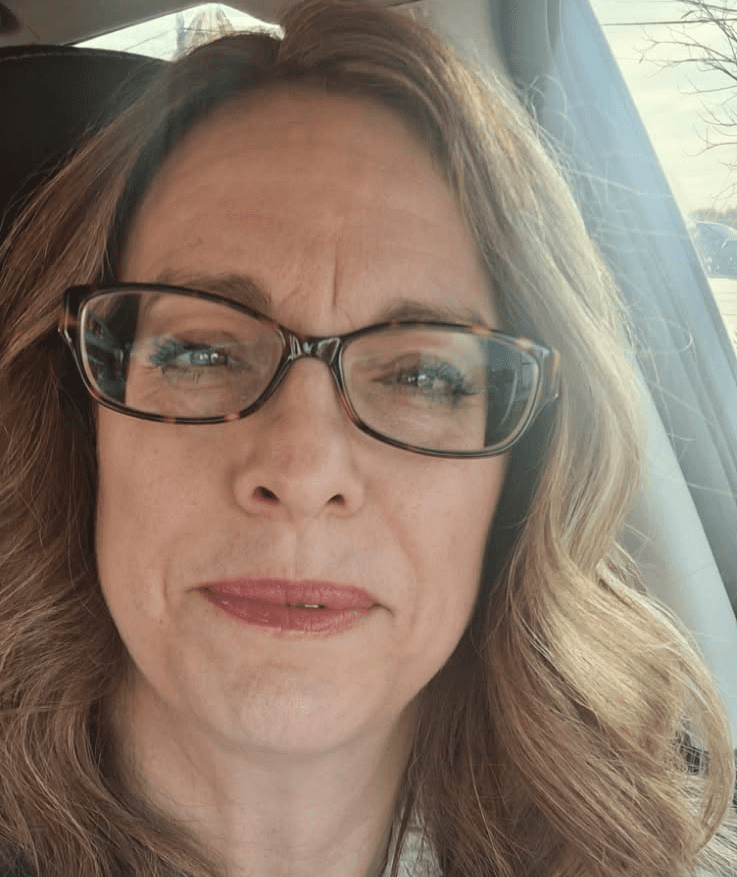
Kymberly is a mother of twins whom she homeschools, and she places a high value on staying as active and busy as she can with activities that remain accessible to her. One of her most difficult adjustments was having to leave her passionate career as a child life specialist in healthcare, as her balance issues made it impossible to keep up with such a fast-paced environment. Despite this loss and a feeling that her needs weren't always adapted to, she maintains incredible grit and determination. She wants others to know that she is still the same motivated and capable person she has always been, eager to contribute to the world in new ways.
Diagnostic Journey
Kymberly’s journey began in early childhood when she walked unusually early but suffered from frequent falls and injuries. Although she remained very active as a personal trainer in her young adult years, her balance issues persisted, leading to a diagnosis of spatial vertigo at age 19. Her symptoms continued to worsen until she struggled to even walk to her car. After consulting 13 different neurologists and enduring years of misdiagnoses, she was finally correctly diagnosed with ataxia related to ARSACS.
Message to the Community
Kymberly encourages others living with ARSACS to maintain a positive mindset and never let the diagnosis limit their potential or the potential of their children. She believes it is vital to let kids build strength and resilience, rather than restricting their activities too early out of fear. Above all, she stresses the importance of leaning on family and support systems to find joy and maintain a healthy perspective while coping with the condition.
Message to Those Unfamiliar with ARSACS
Kymberly wants people to be more mindful of how small accessibility issues, like poorly designed handicap ramps, can create major hurdles in the daily lives of those with disabilities. She encourages those who are curious to simply ask individuals about their needs rather than underestimating their abilities or assuming they don't want to participate. Her message is clear: she wants to be included and may just need a little assistance, as having a disability does not mean a person is incapable.
Hopes for the Future of ARSACS
Looking forward, Kymberly hopes for increased awareness and more realistic, holistic approaches to living with the condition, such as specialized therapy and exercise. She advocates for more research into the progression of ARSACS so that families can have clearer expectations and better prepare for the different stages of the disease. By sharing her story, she aims to inspire others not to limit themselves—and not to let the misconceptions of others limit them either.