Paul
About me
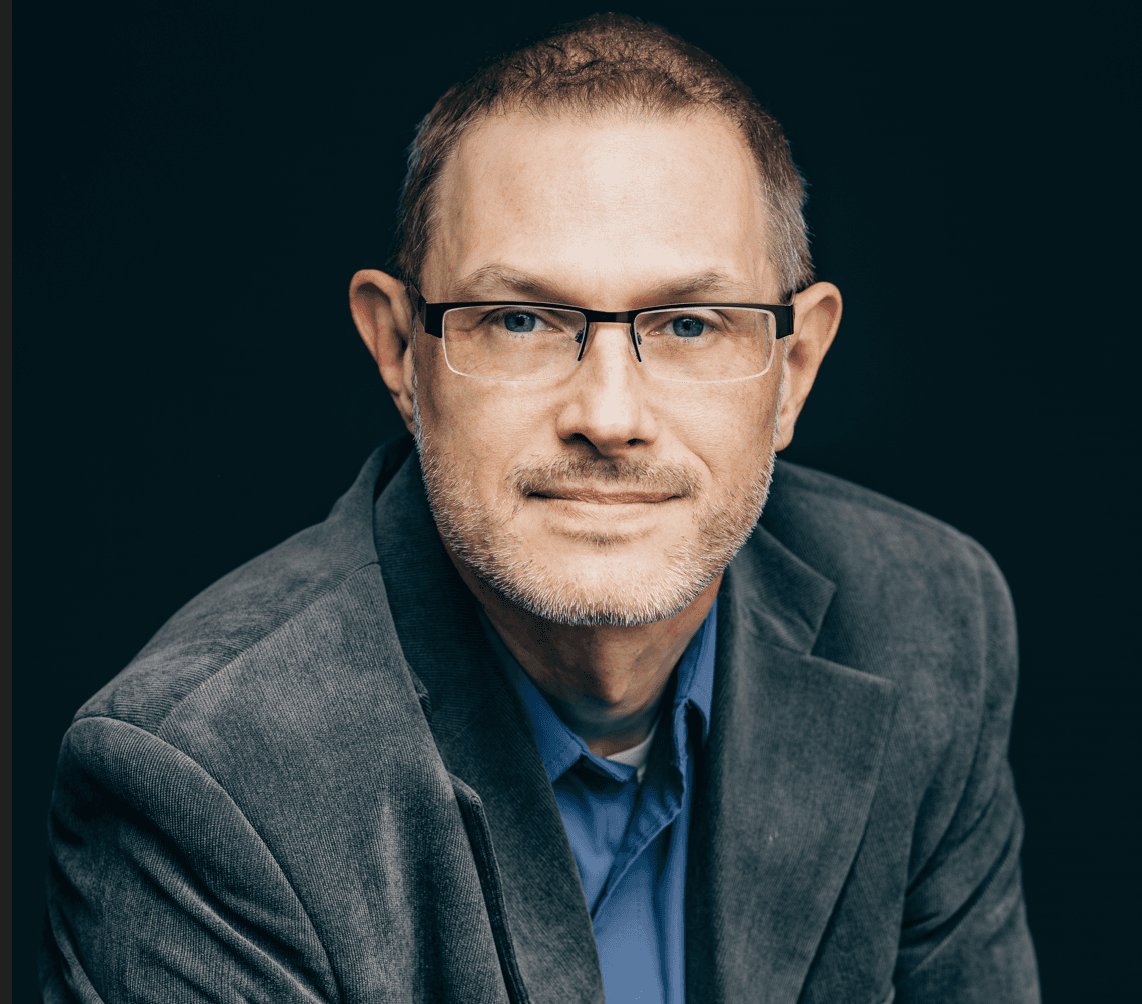
Paul is from Calgary, Alberta, Canada. He worked in the oil and gas industry beginning in 1996 and ultimately departed his career to go on long term disability in 2018. His interests include science fiction and fantasy and watching Formula One racing and professional football (“soccer” in North America). Paul is a writer and has submitted a children’s story to a publisher. He is also working on a science fiction short story and novel. Paul founded a non-profit organization in his Canadian province which focuses on science fiction fandom.
Diagnostic Journey
When Paul was little, he recalls that he did not have a proper heel toe gait, was pigeon toed, and his legs were stiff. He outgrew much of it but never had a proper gait growing up. He suspected he had hypertonia or other muscular conditions but did not obtain an official diagnosis. In Paul’s late 20s, he had a fall and was referred to an orthopedic surgeon who analysed the way he walked and referred him to a neurologist. The neurologist believed that he had ataxia. Several years later, he saw an optometrist, and he observed that Paul had a thick optic nerve. By this time, Paul was using a cane for assistance. A neuro-ophthalmologist, who was familiar with ARSACS, noted that a thick optic nerve was one of the indicators of ataxia related conditions. DNA testing confirmed that Paul had ARSACS. Since it is a recessive condition, his parents submitted DNA samples, and it was confirmed that they carried the defective gene. Paul’s parents and his two younger brothers are unaffected, and there are no known relatives or ancestors in his family with the condition.
Paul met his wife in 1999, and they married in 2001. Paul expressed that he was lucky to have met the right person that helped him navigate the road ahead. They will soon celebrate their 25th anniversary together. Paul primarily uses a rollator to get around and a wheelchair or transfer chair for longer journeys. Although Paul can still drive, he chooses not to for safety reasons. Paul has a teenage son who helps tremendously as an additional caregiver. He has joined several ataxia support groups and is an administrator for a Facebook group called ARSACS Around the World. He also orchestrates a monthly ARSACS support group through Zoom. Paul is always advocating for ataxia awareness and additional health care support for those in need.
Message to the Community
Paul wants ARSACS patients to not focus on what they cannot do but, instead, focus on what they can still do and what brings them happiness. Because ataxia is a progressive condition, Paul finds that the phrase “use it or lose it” rings true. This means patients should exercise and keep moving as much as possible. Paul wishes he had been more physically active and misses some of the things that he can no longer do. Paul mentioned that ARSACS affects everyone differently so there are many unknowns regarding disease progression. He explained that ARSACS can have both mental and physical symptoms, and patients should explore learning about the Cerebellar Cognitive Affective Syndrome. Paul has donated biodata to a research bank out of the McGill University and encourages the ARSACS community to connect with researchers and learning institutions.
Message to Those Unfamiliar with ARSACS
Do not judge a book by its cover! Do not assume someone is intoxicated as they may, in fact, be dealing with mobility and balance issues. Paul suggests that, just as you would not want others to treat you differently, you should not treat others differently based on their impairments. Paul recommends that everyone be supportive and stand up for those with disabilities whenever possible.
Hopes for the Future of ARSACS
Paul hopes that a treatment for ARSACS will be discovered as there have been successful treatments for other forms of ataxia. He asks that patients consider joining a support group to share their stories and learn from others about life with ARSACS.